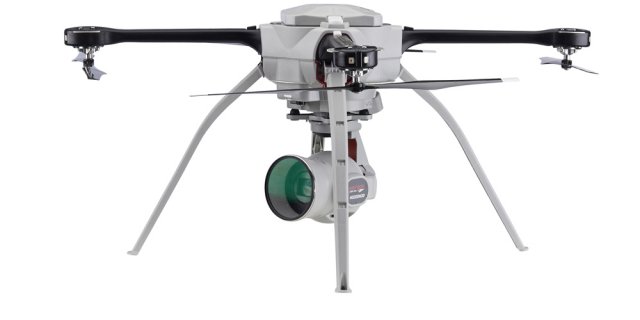
Aeryon Labs Inc., and DroneDeploy, a drone data platform, have announced their partnership to deliver integrated UAS solutions to end-users and service providers in the commercial/industrial market. Continue reading

UAS VISION
an independent online news service for the Unmanned Aircraft Systems world
Aeryon Labs Inc., and DroneDeploy, a drone data platform, have announced their partnership to deliver integrated UAS solutions to end-users and service providers in the commercial/industrial market. Continue reading

The South African Civil Aviation Authority (SACAA) says over the last year, the number of registered remotely-piloted aircraft systems (RPAS), commonly known as drones, has more than doubled. Continue reading
InnoCorp, LLC has announced SubMurres – its unmanned underwater vehicle (UUV), unmanned aerial vehicle (UAV) drone—transitioning from water to air to land without any individual or multiple deployments, fission of elements, (as in rockets), or complicated maneuvering. Continue reading
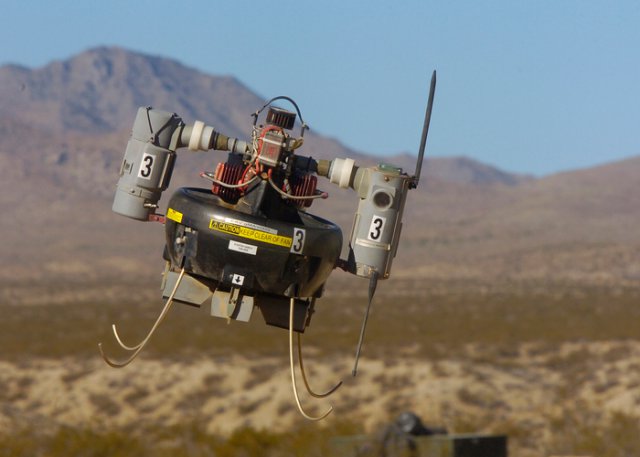
German engine manufacturer 3W-International GmbH saw increased demand for heavy fuel (HF) and gasoline combustion engines in 2016. Interest is increasing especially strongly for their use in unmanned helicopters. The reasons for this are manifold. Continue reading
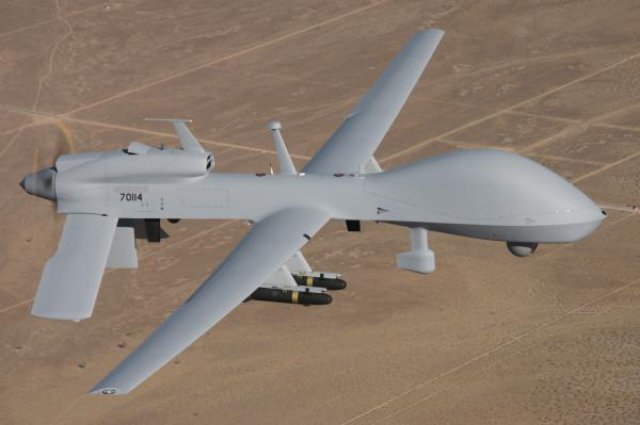
The U.S. Army is seeking information on a multifunction electronic warfare (MFEW) pod to be carried by the General Atomics MQ-1C Gray Eagle unmanned aircraft as part of a wider airborne “system of systems” program to provide forces with organic electronic attack and support capability. Continue reading

The UK Maritime Coastguard Agency (MCA) has begun studies into introducing an unmanned aircraft to assist in search and rescue (SAR) operations by the end of 2019. Continue reading
General Atomics Aeronautical Systems Inc., Poway, California, has been awarded an $11,894,645 undefinitized contract action for spare parts and support equipment for United Kingdom’s MQ-9 fleet. Continue reading