
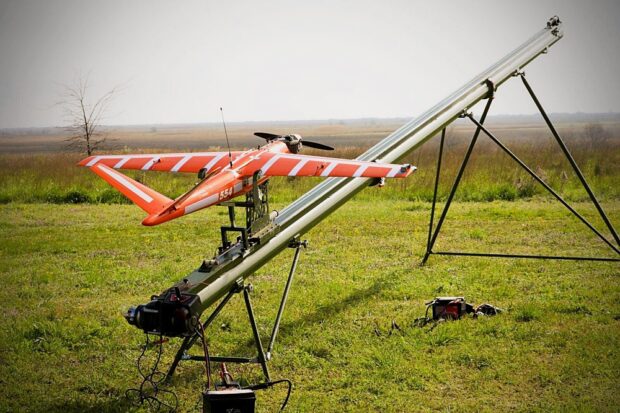
NATO Allies tested layered counter-drone defences in Romania this month to accelerate Integrated Air and Missile Defence (IAMD) integration, turning emerging technology into interoperable capability under realistic conditions.
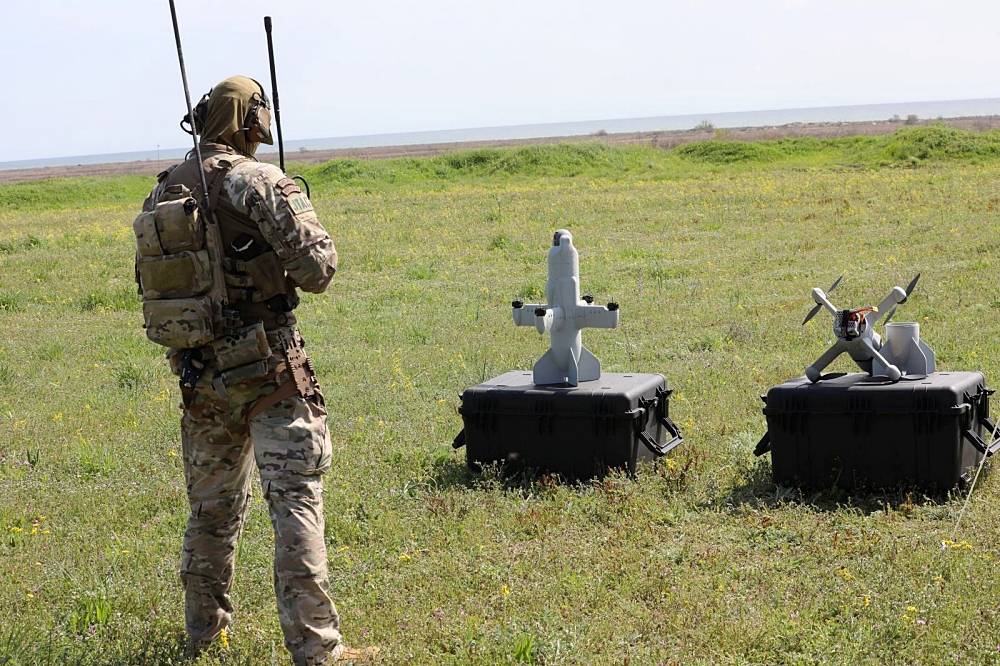
The activity focused on how different sensors, Command and Control (C2) and effectors can operate as a single, layered defence. Testing across a 2.5 km area included more than 250 systems such as radars, acoustic and radio-frequency detectors, electronic warfare tools, and kinetic and non-kinetic effectors, with scenarios that included drone swarms flown over the Black Sea.
Support from the NATO-Ukraine Joint Analysis, Training and Education Centre, including Ukrainian experts, helped incorporate current UAS tactics and ensured participants measured performance against evolving threats, rather than ideal conditions. The event also reflected NATO’s wider drive to strengthen deterrence and defence through adaptable, multi-domain integration along the eastern flank, where the Alliance continues to refine how it detects, tracks and defeats emerging aerial threats.
“Our advantage lies in our ability to adapt faster than our adversaries,” said Admiral Pierre Vandier, Supreme Allied Commander Transformation. “NATO gives nations a unique way to de-risk that adaptation together by testing what is available in the market, at scale, with industry from across the Alliance.”
Eastern Sentry, NATO’s enhanced Vigilance Activity (eVA) launched after recent NATO airspace violations on the eastern flank, adds context to the Romania event by linking operational activities, national contributions and innovation efforts into a more flexible defensive posture.
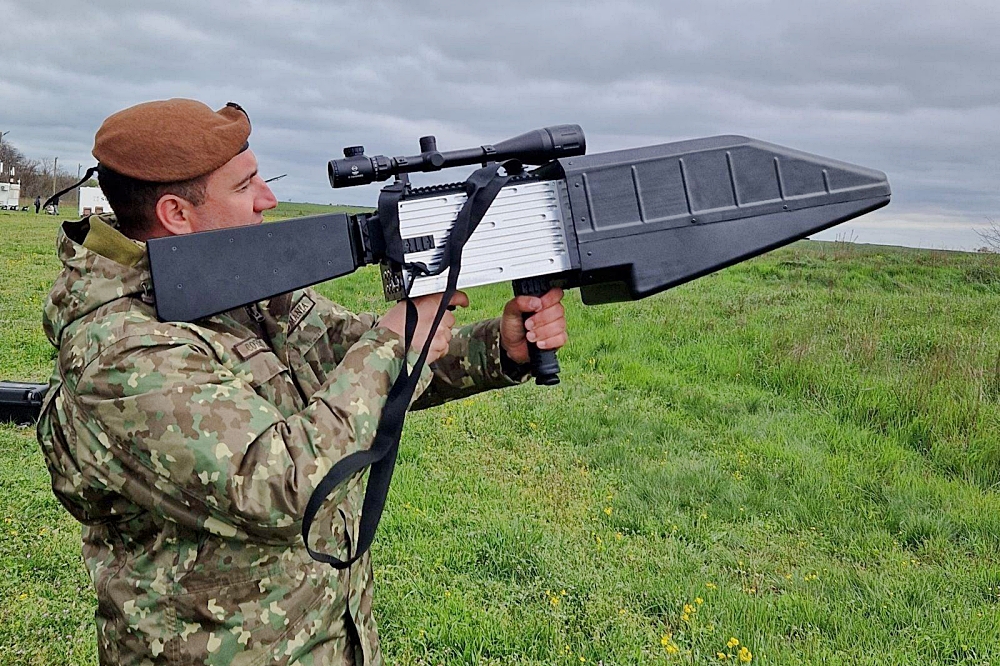
The activity is intended to reinforce existing Allied forces where and when needed, while supporting rapid experimentation and fielding of counter-drone sensors and weapons at Alliance-wide scale. A priority of this NATO eVA is to optimize and streamline IAMD architecture by ensuring sensors, command and control and effectors are connected and positioned to respond when needed.
“Integrated Air and Missile Defence is the backbone of Eastern Sentry,” said US Lieutenant Colonel Brennan Gallagher, an Allied Air Command (AIRCOM) senior planner and one of Eastern Sentry’s operational leads, during an interview in November 2025. “There’s going to be no silver bullet; the air domain cannot stand alone and solve it.”
The Romania event demonstrated how NATO can use ACT-led experimentation to adapt faster to evolving aerial threats, particularly low-cost drones and one-way attack systems. By testing sensors, command and control and effectors at scale, the activity supports Eastern Sentry’s aim to connect existing and emerging capabilities into a flexible defensive posture along the eastern flank, strengthening NATO’s ability to detect, track and respond to threats where and when needed.