
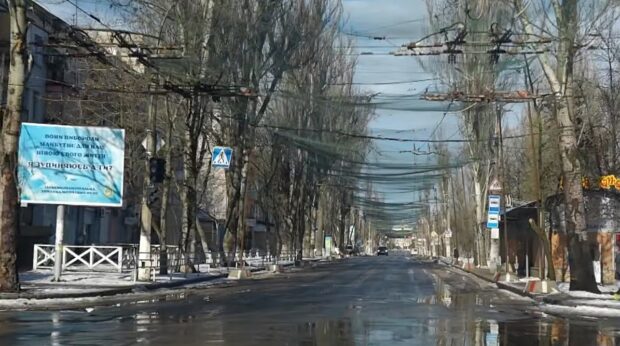
Nets once used to protect tulips in the Netherlands are finding new purpose: shielding Ukrainian soldiers and civilians from Russian drones.
Discarded fishing nets and other mesh materials that can snag or deflect drones are being gathered across Europe by farmers and fishermen determined to save lives far away. The makeshift barriers now hang over hospital courtyards, generators, shopping streets and long stretches of road in cities like Kherson, a southern hub repeatedly targeted by drone strikes.
Russia’s UAVs often attack supply routes and rear bases, threatening to isolate front-line units, but they also hit civilian traffic and infrastructure.
“On average, the Russians launch about 2,500 UAVs on our communities every week,” Oleksandr Tolokonnikov, deputy head of the Kherson Military Administration, told CNN. “As a result of these attacks, 120 people have died in the Kherson region this year.”
The UN Human Rights Monitoring Mission in Ukraine verified 2,514 civilian deaths and 12,142 injuries in 2025, many far from the front lines. In response, Ukrainians have strung up hundreds of kilometers of netting over exposed roads, creating protective canopies for vehicles and pedestrians.
One of the largest volunteer efforts, Life Guardians in the Netherlands, has sent more than 8,000 tons of nets to Ukraine, says founder Klaas Pot. Tulip nets, made from lightweight polyethylene, can stop small FPV drones, while tougher fishing nets are used to shield tanks, artillery and energy facilities. Groups in Sweden, Norway, the UK and France have joined the effort, sending hundreds of tons more.
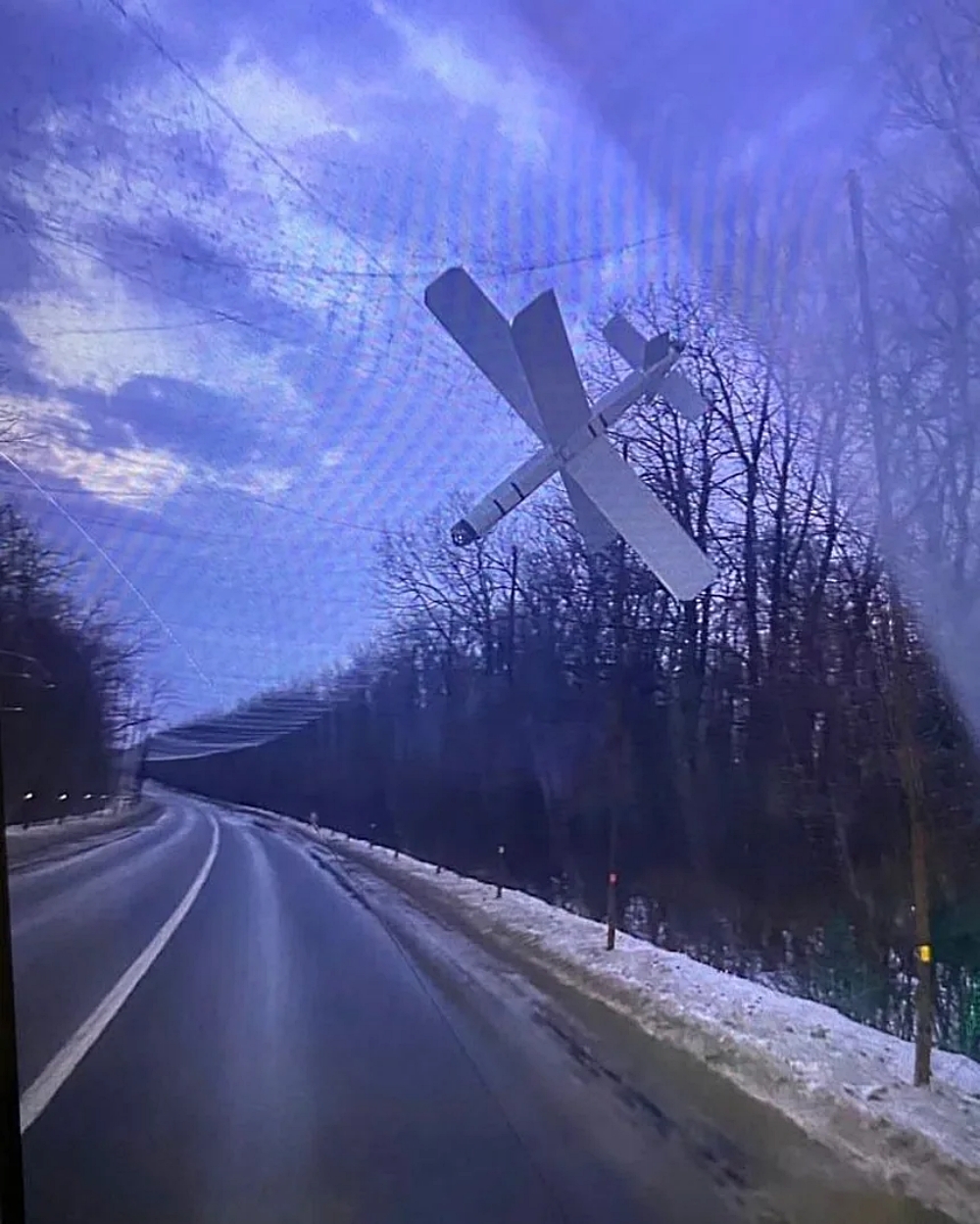
A Russian drone targeting a car relatively far from the front line is caught in a net covering the road. 11 Army Corps/Facebook
According to Ukrainian air defence officer Yuriy Andrusenko, even larger explosive drones can be trapped.
“Fishing net will hold it,” he said. “It simply stops it.”
Source: CNN