The UK government is continuing to push the nation ahead in unmanned air vehicle operations, as it calls for a more realistic approach to the issue of airspace integration. As the UK works towards permitting beyond line of sight UAV operations by 2020, the UAV lead at the Department for Transport (DfT) has urged more realism in tackling regulatory and safety concerns, so that rules are implemented correctly. Continue reading
Category Archives: Regulatory Matters
Lufthansa Plane in Near Miss at LAX
A near miss between a drone and a Lufthansa aircraft landing at Los Angeles International Airport may give impetus to moves to regulate consumer drones more closely, including by using technologies like geofencing. Continue reading
Drones and Cherry Blossoms Don’t Mix
Spring in the Nation’s Capital brings with it the extraordinary beauty of the cherry trees blooming around the Tidal Basin. At the Federal Aviation Administration (FAA), we want you to shoot all the photos and video you want – but leave your drone at home. Continue reading
Situational Awareness for Drone Management
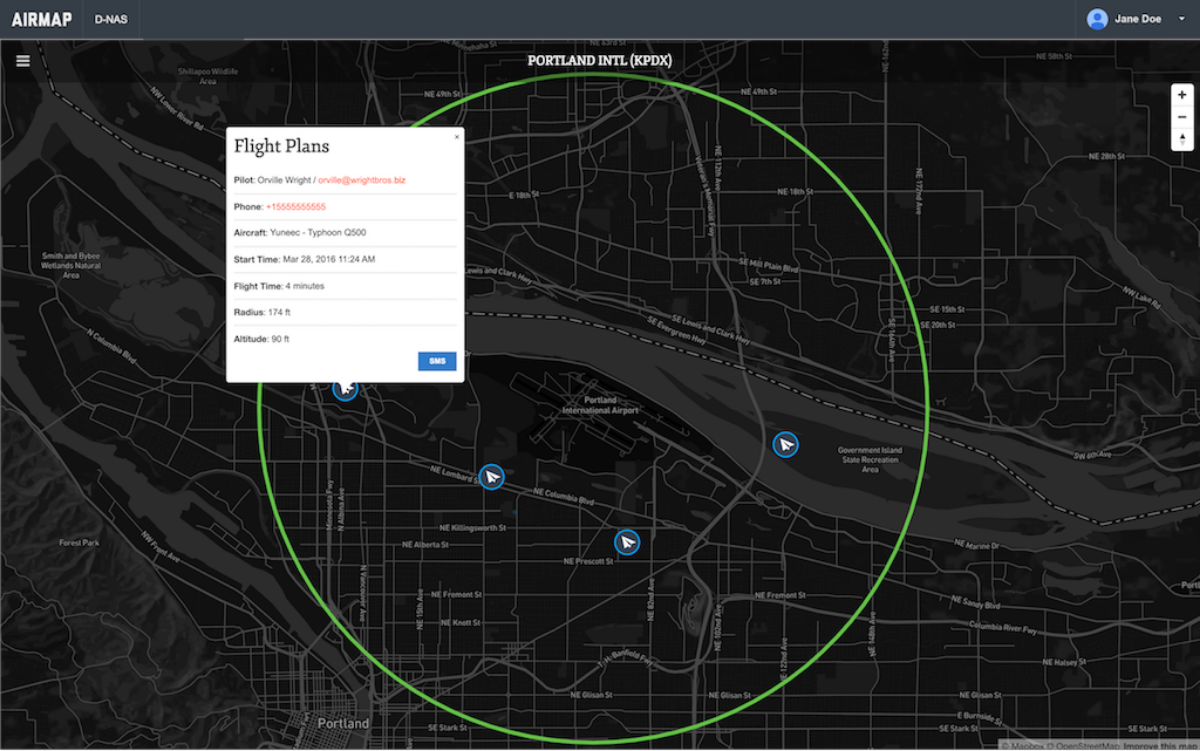
One of the biggest stumbling blocks to widespread unmanned aerial systems operation is situational awareness, especially in the United States, which has the busiest airspace in the world. One company, however, argues that providing situational awareness is just a big data and analytics challenge. Continue reading
FAA Expands UAS Partnerships
The Federal Aviation Administration (FAA) and key government agencies involved in unmanned aircraft operations are expanding participation in the Unmanned Aircraft Systems (UAS) Executive Committee (EXCOM). Continue reading
Do Consumer Drones Endanger the National Airspace? Evidence from Wildlife Strike
In December 2015, the Federal Aviation Administration (FAA) announced a new interim final rule that for the first time imposed regulation on the operation of unmanned aircraft systems (UAS) as model aircraft. In the name of a safe national airspace, the new regulations require operators of drones weighing more than 250g (0.55 pounds) to register with the agency. Continue reading
UK Focuses on Safety Tech for Small UAV Integration
Work is underway, as part of a UK government-funded project, to convert a commercial unmanned air vehicle engine into a hybrid power system for safe integration of UAVs into national airspace. Continue reading
FAA Revises Section 333 Grant Terms to Give Commercial UAS Operators Greater Flexibility
The Federal Aviation Administration (FAA) has made changes to the conditions and limitations imposed on commercial operators of unmanned aircraft systems (UAS) that should ease regulatory burdens and provide clarity for companies using UAS for commercial purposes. Continue reading