On Tuesday, August 2, 2016 the White House Office of Science and Technology Policy (OSTP) held its first-ever “Workshop on Drones and the Future of Aviation.” The event, co-hosted with the AUVSI Foundation, brought together 150 leaders in the UAS community, ranging from commercial operators to academics and hobbyists to policymakers. The purpose of the event was to stimulate discussion of the future of this burgeoning industry—where is it going? And what does government need to do to help it get there? Continue reading

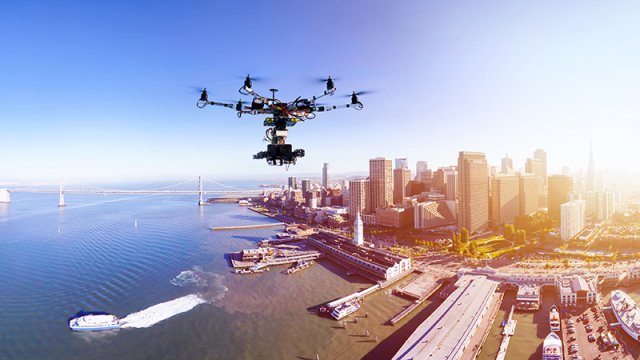 The White House launched a new effort Tuesday to help increase the use of drones and showcased how government agencies have become a proving ground for a wide array of new drone concepts and technologies.
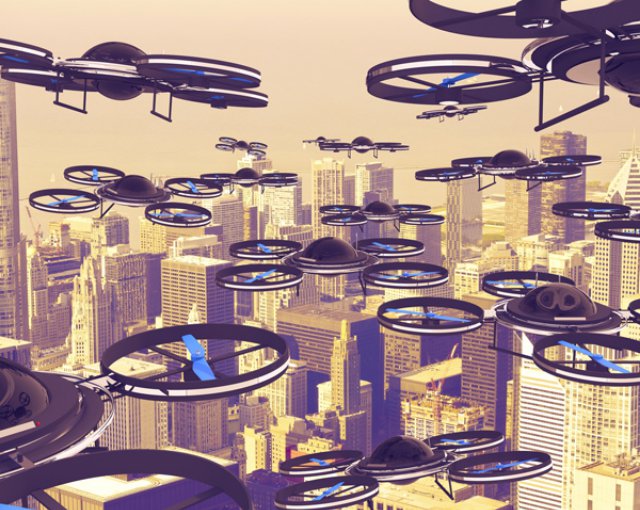 The FAA has registered more than a half million drones flown by hobbyists in the past eight months, its top administrator said at a White House gathering, but commercial drones haven’t been tackled yet.