
 The council president of the International Civil Aviation Organization (ICAO), Olumuyiwa Benard Aliu, led a special, high-level and technically oriented ICAO fact-finding mission to the United States last week at the invitation of the FAA. The aim of the mission was to ensure that ICAO remains proactive on regulatory developments relating to Remotely Piloted Aircraft Systems (RPAS) and the emerging realm of sub-orbital space flight.
Category Archives: Regulatory Matters
Man Fined for Crashing Drone over Melbourne Siege
A man in Melbourne, Australia has been fined AU$850 after crashing a recreational drone over a police operation and coming close to injuring one of the police officers on the ground. Continue reading
New York City Council Considers Drone Ban
 The New York city council is eyeing a potential ban of private drones and the addition of fines, in two separate bills. The first bill is “more of an outright ban” of drones, proposed by Council member Dan Garodnick, and the other will create fines and areas where drones are prohibited, proposed by Council member Paul Vallone. The two bills may be combined, but that decision will be determined by further council committee review.
RPAS VLL Operation Coordination System Receives Award
 On 11 December 2014, Flight Plus, Luciad and VITO were recognised at the 2014 SESAR (Single European Sky ATM Research) SWIM Master Class “Best in Class Awards” which took place in Brussels. During four months, 81 international teams competed to become the 2014 SWIM “Best in Class”.
Chinese Air Force Shoots Down Unauthorised Flights
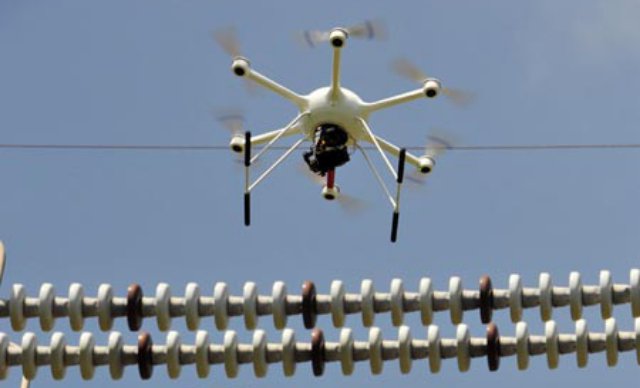 A drone without an operating license that was shot down by the PLA Air Force in Beijing has brought light to the need for tightened regulations on privately-owned drones and other devices.
AOPA tells Congress UAS Rules Needed Now

The FAA should expedite its rule governing the operation of small commercial unmanned aerial systems, AOPA told the House Aviation Subcommittee in comments submitted for the record as part of a Dec. 10 hearing on UAS technology. In its statement, AOPA also recommended that the FAA take steps to address dangerous operations by recreational UAS users, including stipulating penalties. Continue reading
EU Court Ruling Means Civilian use of Drones in Public Must Comply with Data Protection Laws
Hobbyists and other individuals using remotely piloted aircraft systems, or ‘drones’, to capture images in public will be required to ensure that the activity complies with EU data protection laws in future, in light of an EU court ruling.12 Dec 2014 Continue reading
FAA Will Miss September 2015 Commercial Rules Deadline

In August, the Federal Aviation Administration missed a key deadline for developing rules for small commercial drones. Now the agency says that because of the delay, it will also miss its original September 2015 deadline for final rules. Continue reading