
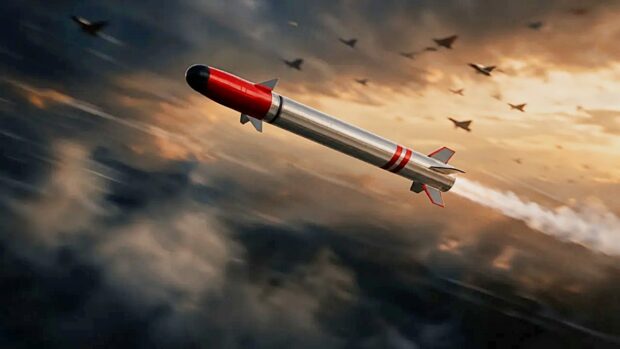
Israeli defence tech start-up Skapion plans to conduct the first live-fire test of its autonomous counter-drone system within the next several weeks, marking a key milestone for a company that is seeking to stop mass drone attacks.
The test is expected to see up to 50 interceptors target small Class 2 and Class 3 drones using a proximity-based kill mechanism. The company aims to have an operational test evaluation next year.
Skapion executives said potential customers are already being brought into the testing process and will participate in evaluating the system during live-fire events and subsequent operational assessments.
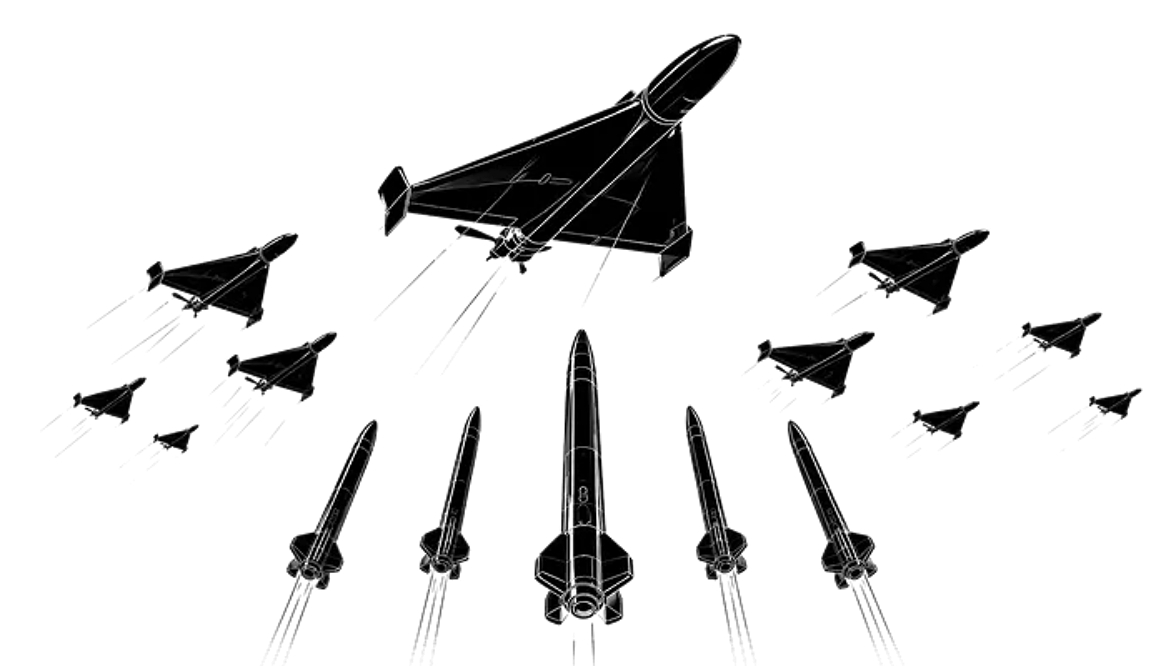
The Washington and Ramat Gan-based start-up is developing an autonomous, networked air-defense architecture designed to defeat drone swarms and layered attacks involving decoys, relay drones, and strike drones. Rather than relying on expensive traditional air-defense missiles, Skapion is betting that future protection against unmanned air platforms will require large numbers of low-cost interceptors operating as part of a distributed defence network
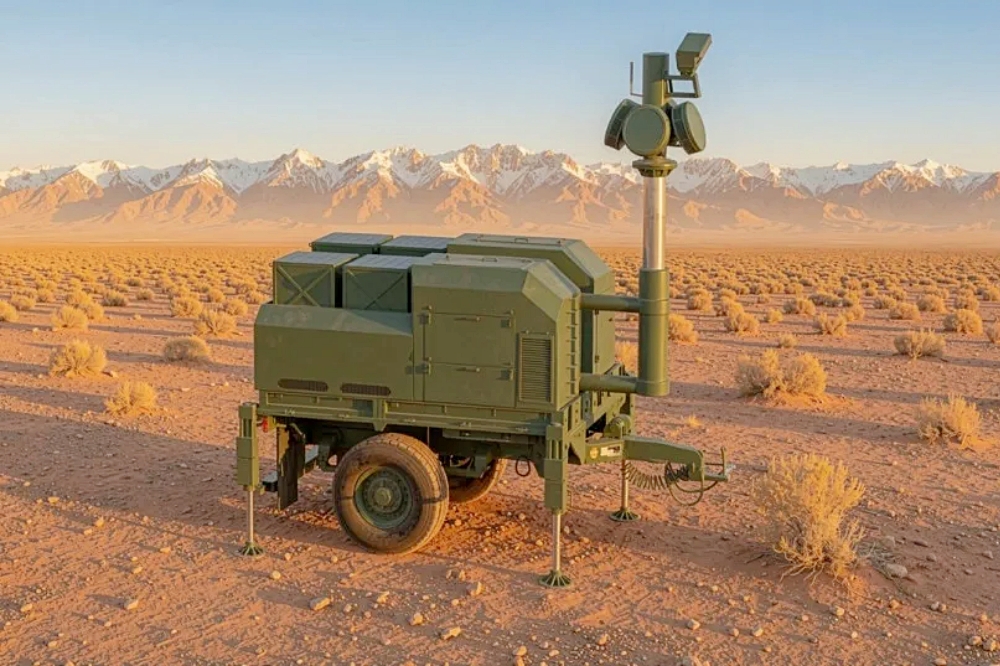
Skapion autonomous counter-drone system
At the core is an AI-native command-and-control system that fuses data from Skapion’s sensors or third-party detection sources, prioritizes threats, allocates interceptors, and manages engagements in real time. The company says the system can operate autonomously end-to-end or with a single human operator in the loop, depending on customer policy. An open, sensor-agnostic architecture allows integration with external C2 systems and other counter-UAS tools, enabling use as a standalone battery or as a complementary national-level defence layer.
Vertical Launchers Cover 360 Degrees in Ground and Maritime Deployment
The system uses vertical launchers for 360-degree coverage and is designed for deployment on ground and maritime platforms. Skapion says its fully kinetic approach is intended to counter autonomous or communication-independent drones that are increasingly used to bypass jamming-based defences.
Speaking to journalists on the sidelines of the Association of the United States Army (AUSA) Annual Meeting & Exposition in Washington, Ido Bar-On, co-founder and CEO of Skapion, explained that their solution was engineered for simultaneous engagements, allowing multiple interceptors to strike multiple targets at once.
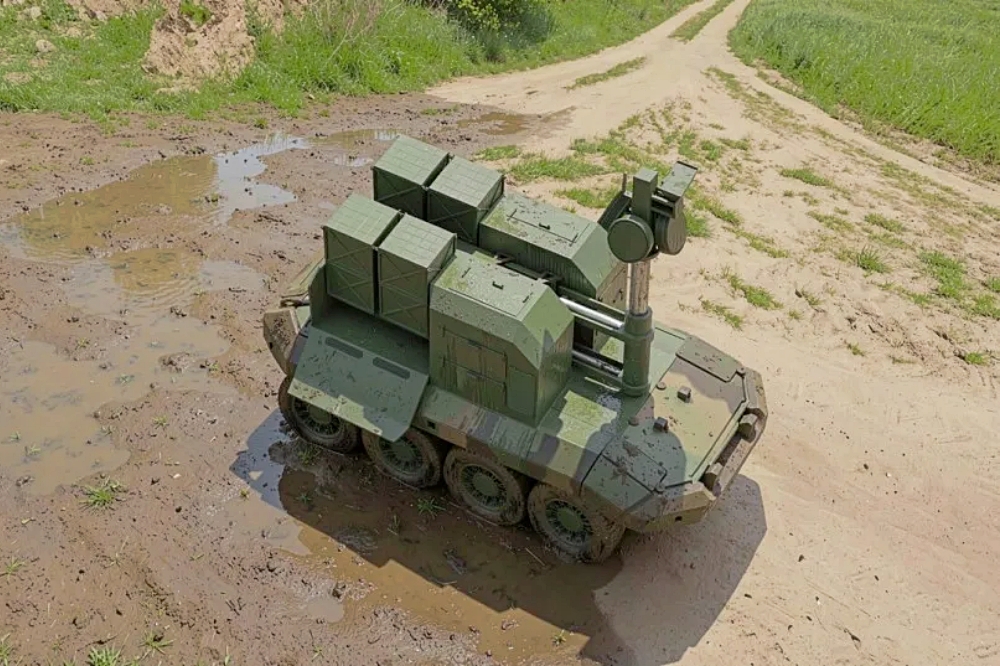
A Skapion autonomous counter-drone system
The company claims that the mobile, fully kinetic system can engage more than 100 incoming drones simultaneously with an interception rate above 97%, while delivering a substantially lower cost per shot than conventional air-defence systems.
Bar-On explained that the cost equation is a central focus for the company, arguing that militaries have to be able to match the scale of incoming attacks while keeping costs low enough to sustain prolonged operations against mass drone threats.
Goal is to Reduce Interceptor Costs to $10,000
Skapion’s goal is to reduce interceptor costs to approximately $10,000 per round at scale, a price point the company says is necessary to remain economically viable against low-cost unmanned aircraft. Around 40 systems and roughly 3,500 interceptors could be fielded for about $400 million, allowing defenders to establish broad-area protection through distributed networks.
At the center of the system is a short-range interceptor designed to engage hostile drones at distances of roughly one to seven kilometers. It can carry an electro-optic (EO) or radar frequency (RF) seeker and is intended to be integrated with mobile launchers and intelligent command-and-control software.
Skapion’s founding team is made up of former Israel Air Force officers who specialize in air defense, including founding architect and co-founder Brig.-Gen. (res.) Pini Yungman, who previously served as general manager of Rafael’s Air and Missile Defense Systems division and is the president of TSG Group. Yungman is deeply rooted in Israel’s defence ecosystem and recognized for his contributions to the David’s Sling and Iron Dome programs.
CEO and co-founder Ido Bar-On previously led defence and government business at drone technology company XTEND and served as a reserve lieutenant colonel in the Israel Defense Forces’ special operations.
The team is rounded out by Gal Goren, co-founder and chief technology officer (CTO), who is a multidisciplinary engineering leader with experience developing complex technology systems. Zafrir Yoeli previously co-founded Enlight Renewable Energy, and Yaron Karp is a veteran defence entrepreneur.
Read the full story on UAS NEWS | PRO
Sources: The Jerusalem Post; C-TECH