
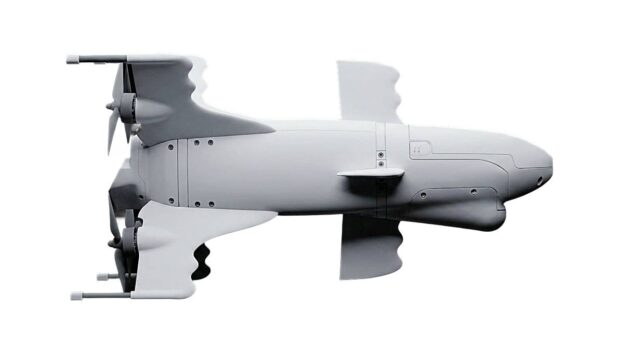
THYRA’s Neptor counter-UAS interceptor is designed to give NATO forces a lower-cost way to defeat the growing number of fast, expendable drones shaping the modern battlefield, with the German company presenting the system to Army Recognition at Euro Defence Expo 2026.
By engaging hostile unmanned aircraft at speeds of up to 350 km/h, Neptor is intended to reduce reliance on expensive surface-to-air missiles for targets that can often cost only a fraction of the interceptor used against them.
The system combines thermal target acquisition, autonomous interception and mobile or remotely operated launch options, allowing it to protect maneuver units, forward positions and critical infrastructure against short-range aerial threats. Its emphasis on autonomy, mobility, and lower-cost interception reflects a wider NATO requirement for scalable air defence that can cope with sustained drone attacks without rapidly depleting high-value missile inventories.
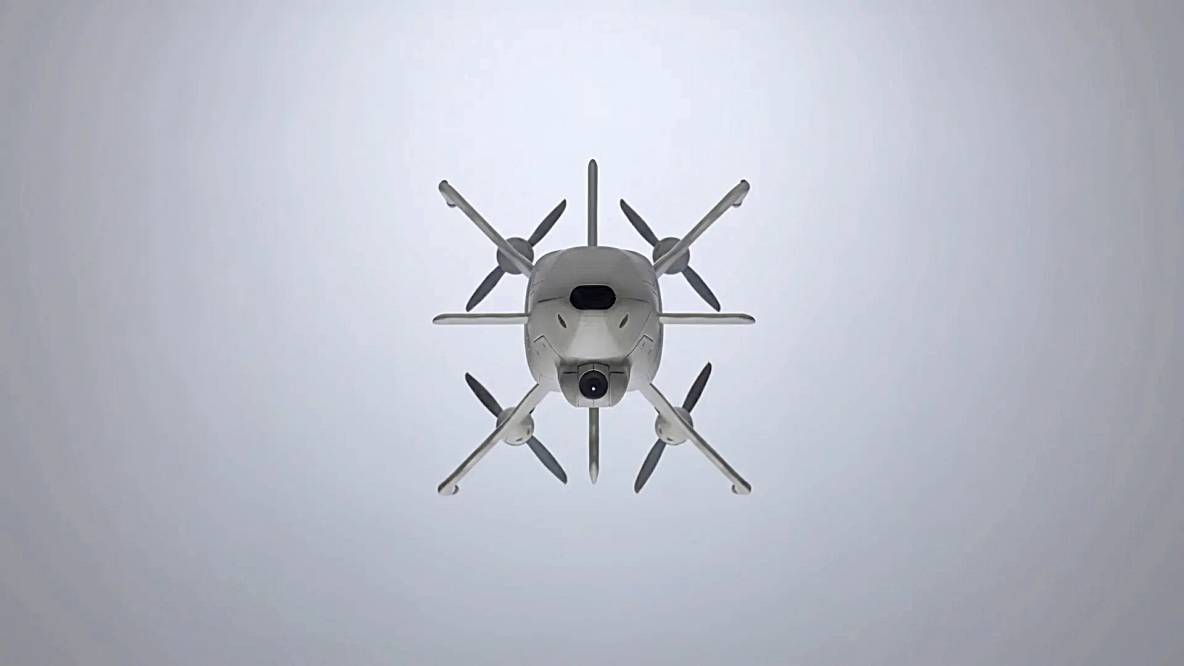
TECHNICAL SPECIFICATIONS: THYRA NEPTOR C-UAS INTERCEPTOR
- System Classification: High-Speed Autonomous Counter-Unmanned Aerial System (C-UAS) Kinetic Interceptor
- Developer / Prime Contractor: THYRA (Germany)
- Exhibition Debut: Euro Defence Expo 2026 (Essen, Germany)
- Mass & Payload Architecture:
- Maximum Take-Off Weight (MTOW): 3.2 kg (7.1 lbs)
- Warhead / Payload Capacity: 0.5 kg (1.1 lbs) high-explosive / kinetic effector
- Flight Performance Envelope:
- Maximum Interception Speed: 350 km/h (217 mph / ~97 m/s)
- Operational Engagement Range: Up to 24 km (14.9 miles)
- Sensor Suite & Guidance Architecture: Thermal imaging optical target acquisition paired with onboard autonomous terminal flight control and target lock
- Operational Launch Architectures:
- Mobile Man-Portable Launcher: Operator-designated initial cueing with autonomous terminal pursuit for dismounted infantry and light armor
- Stationary Remote Launcher: Concealed, distributed launch container with battery-maintained readiness for automated base and infrastructure defense
- Strategic Role: High-volume, cost-effective counter-drone layer engineered to preserve high-tier air defense missile inventories against swarming UAV threats
The system combines thermal target acquisition, autonomous interception and mobile or remotely operated launch options, allowing it to protect maneuver units, forward positions and critical infrastructure against short-range aerial threats. Its emphasis on autonomy, mobility, and lower-cost interception reflects a wider NATO requirement for scalable air defence that can cope with sustained drone attacks without rapidly depleting high-value missile inventories.
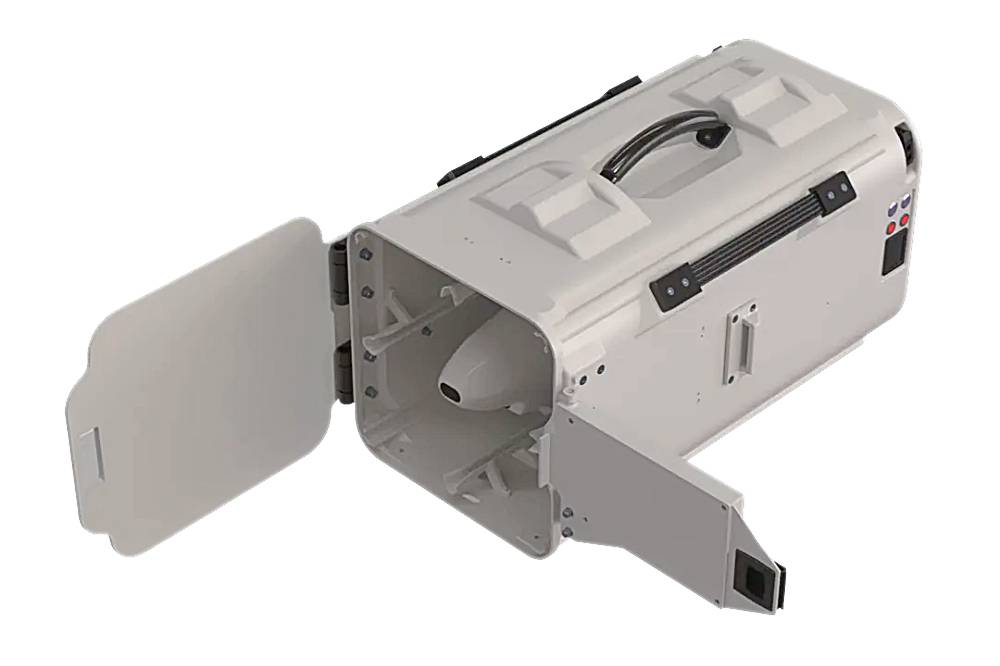
Thyra Shoulder Launcher
Neptor addresses that problem by using another unmanned aircraft as the kinetic effector. The potential advantage isn’t limited to the cost of a single engagement. A 3.2 kg (7.1 lb) interceptor can potentially be stored, transported, and dispersed in greater numbers than traditional surface-to-air missiles, increasing magazine depth around units and installations where sustained drone attacks could otherwise exhaust conventional interceptors.
The second configuration shown by THYRA uses a stationary remote launcher. Here, Neptor can remain ready on battery power and launch from a concealed position without an operator needing to stay beside the equipment. This configuration is intended for protection of critical infrastructure and could allow several launch points to be distributed around airfields, ammunition depots, headquarters, radar positions or logistics facilities.
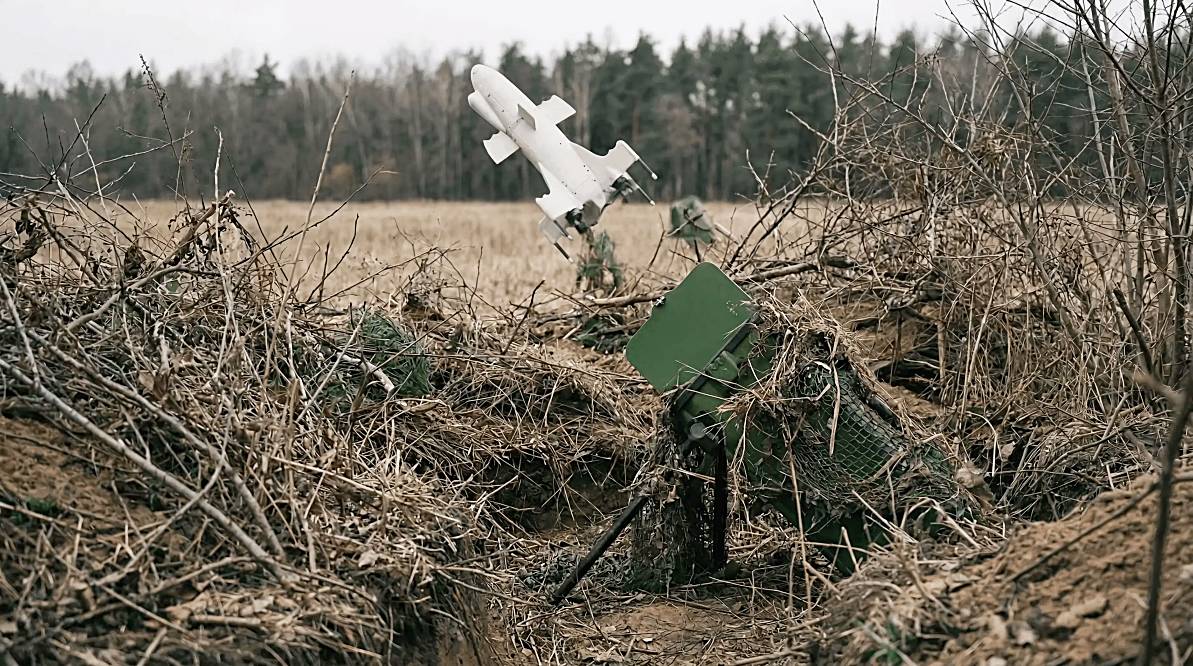
Neptor’s stated 350 km/h (217 mph) speed must therefore be considered within the complete kill chain rather than in isolation. Newer jet-powered one-way attack drones, including types emerging from the war in Ukraine, reduce reaction times and require earlier detection, faster target assignment, greater acceleration and accurate terminal guidance.
THYRA’s own exhibition material highlighted the challenge posed by faster jet-powered threats. Mass attacks create an even harder problem because an interceptor that can defeat one drone does not necessarily provide adequate protection when multiple aircraft arrive simultaneously.
Launcher capacity, reload speed, sensor coverage, fire-control processing, and the number of simultaneous engagements become decisive, which explains why both European and U.S. development is moving toward networks of sensors and multiple lower-cost effectors rather than relying exclusively on individual high-performance missiles.
Sources: Army Recognition; Times of Defence