
In the Beginning: Die Drohne Antiradar (DAR)
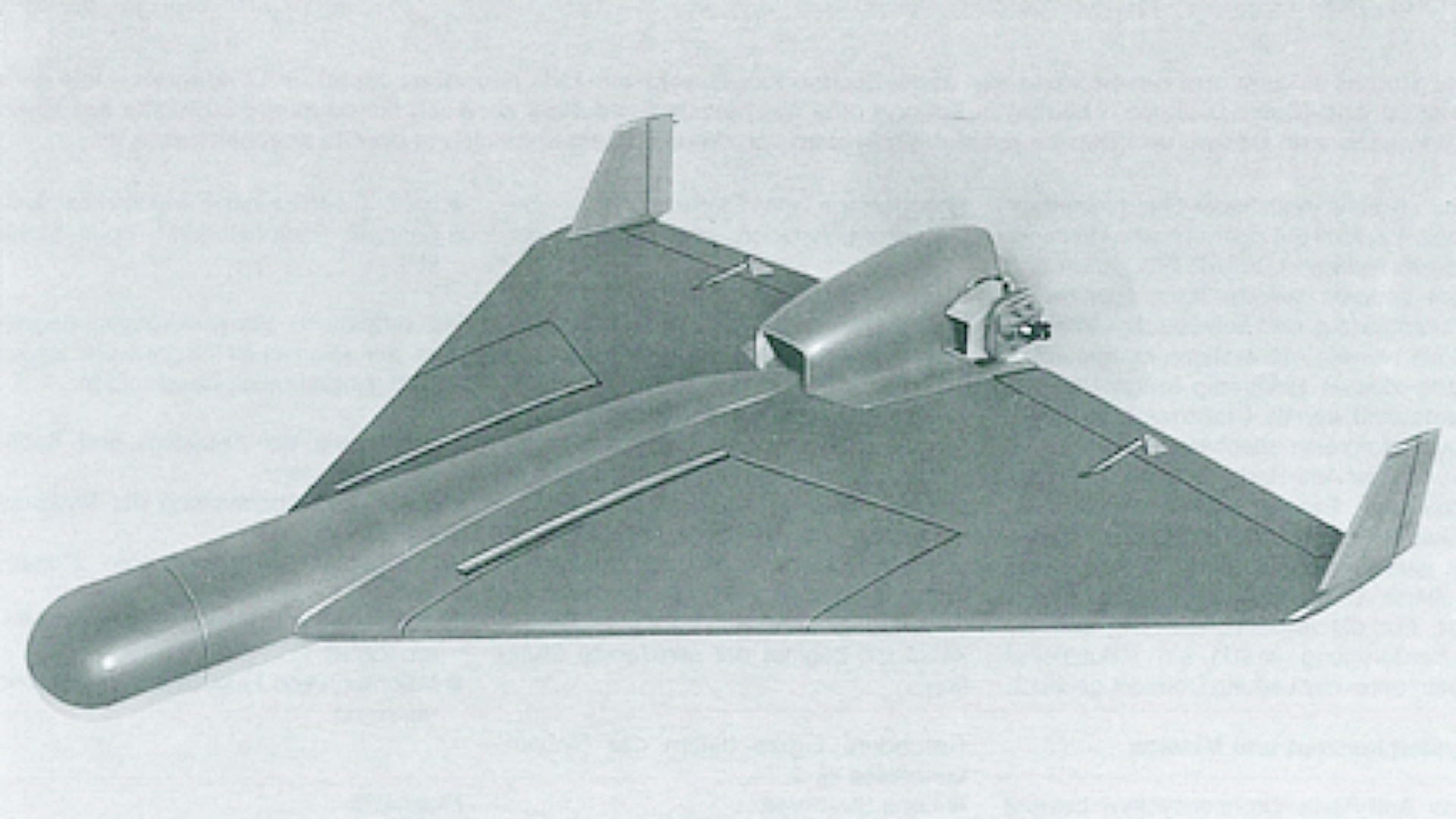
In the mid-1980s, Germany and the United States launched a joint project to develop a specialized, single-use unmanned aerial vehicle (UAV) designed to counter Soviet air defence systems. The concept was ambitious: a “fire-and-forget” drone capable of targeting enemy radar, acting as a decoy to draw attention away from manned aircraft, or directly destroying anti-aircraft systems.
German manufacturer Dornier won the contract, producing what became known as Die Drohne Antiradar (DAR). The program also incorporated technologies developed by Texas Instruments. DAR was essentially an early loitering munition—an explosive “suicide drone.” It had a take-off weight of 110 kg and a combat weight of 142.5 kg, with a length of 2.3 m and a wingspan of 2.0 m. Powered by a Fichtel & Sachs two-cylinder engine, it could reach speeds of 250 km/h, operate up to 3,000 m altitude, and remain airborne for up to three hours with a range of roughly 600 km.
Guided by a GPS-Navstar receiver and passive broadband seeker, DAR carried a fragmentation warhead designed to detonate on impact. It was launched from truck-mounted platforms—initially prototypes on Iveco chassis, later planned for MAN vehicles carrying six drones each—using a method similar to modern loitering munitions.
Despite its promise, DAR never entered service. With the end of the Cold War, its primary mission disappeared, and the project faded into obscurity. Nonetheless, it laid the conceptual groundwork for modern anti-radar drones.
KENTRON
In South Africa, Kentron (now Denel Dynamics) developed the ARD-10 loitering munition during the 1980s, likely influenced by DAR. Designed for the South African Defence Force, it ultimately failed to enter service due to the end of regional conflicts.
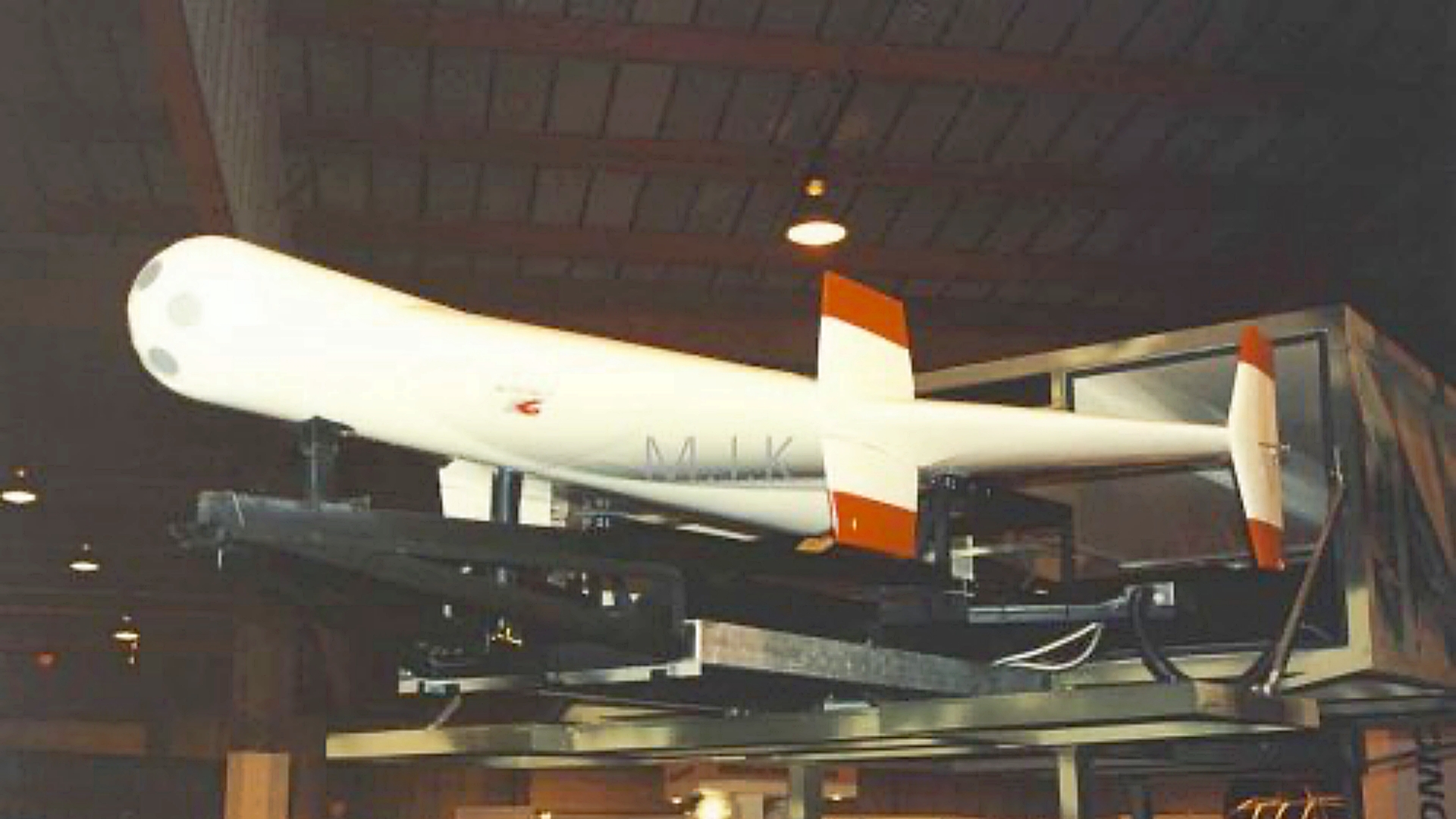
However, its legacy proved significant. The design was sold to Israel Aerospace Industries (IAI), contributing to the development of the Harpy drone, first tested in 1989. Later, elements of these designs were transferred to Iran’s aviation sector, eventually influencing the Shahed family of drones.
HARPY / HAROP
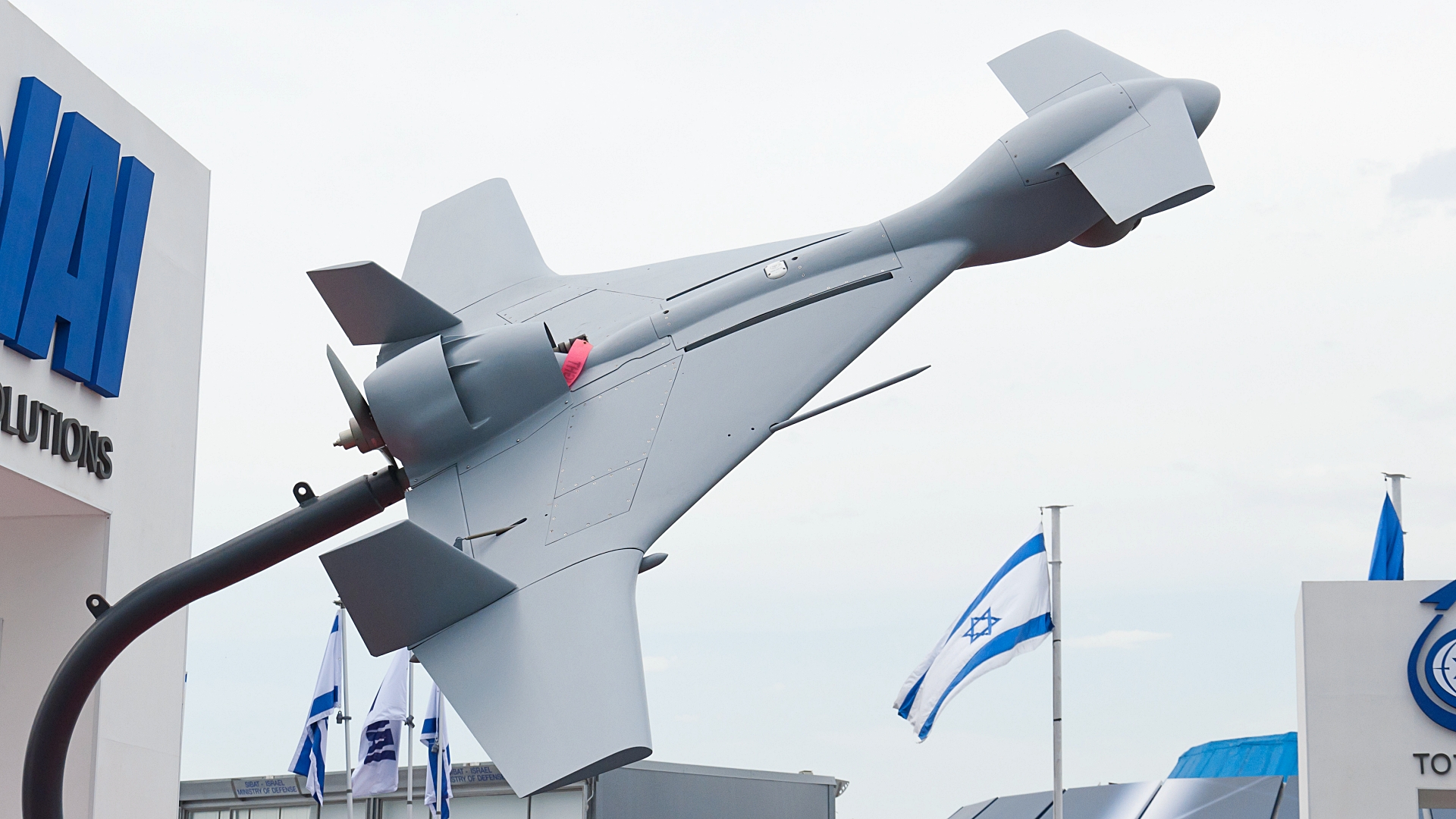
The IAI Harpy became one of the first operational anti-radar loitering munitions. Measuring 2.7 m in length with a 2.1 m wingspan, it is powered by a Wankel engine and carries a 32 kg high-explosive warhead. With a range of 200 km and a top speed of 185 km/h, it is optimized for suppressing enemy air defences (SEAD) by autonomously homing in on radar emissions.
Harop
The Harpy also became the center of geopolitical tension. After Israel sold the system to China in 1994, the United States pressured Israel in 2004 to halt upgrades, fearing the system could threaten U.S. and Taiwanese forces. The drones were ultimately returned to China without modification.
The later Harop variant added electro-optical sensors, allowing operators to manually identify and strike targets. It features a larger wingspan (3.0 m) and endurance of up to six hours while maintaining similar range and mission flexibility.
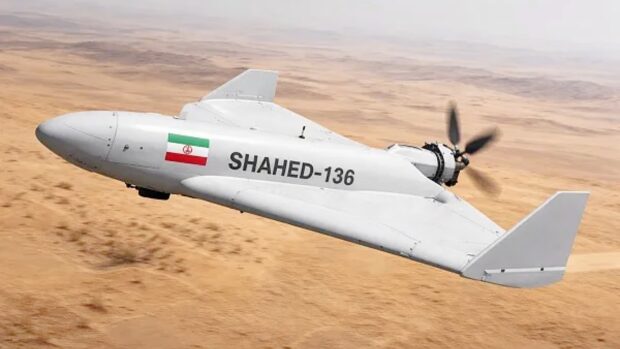
SHAHED-136
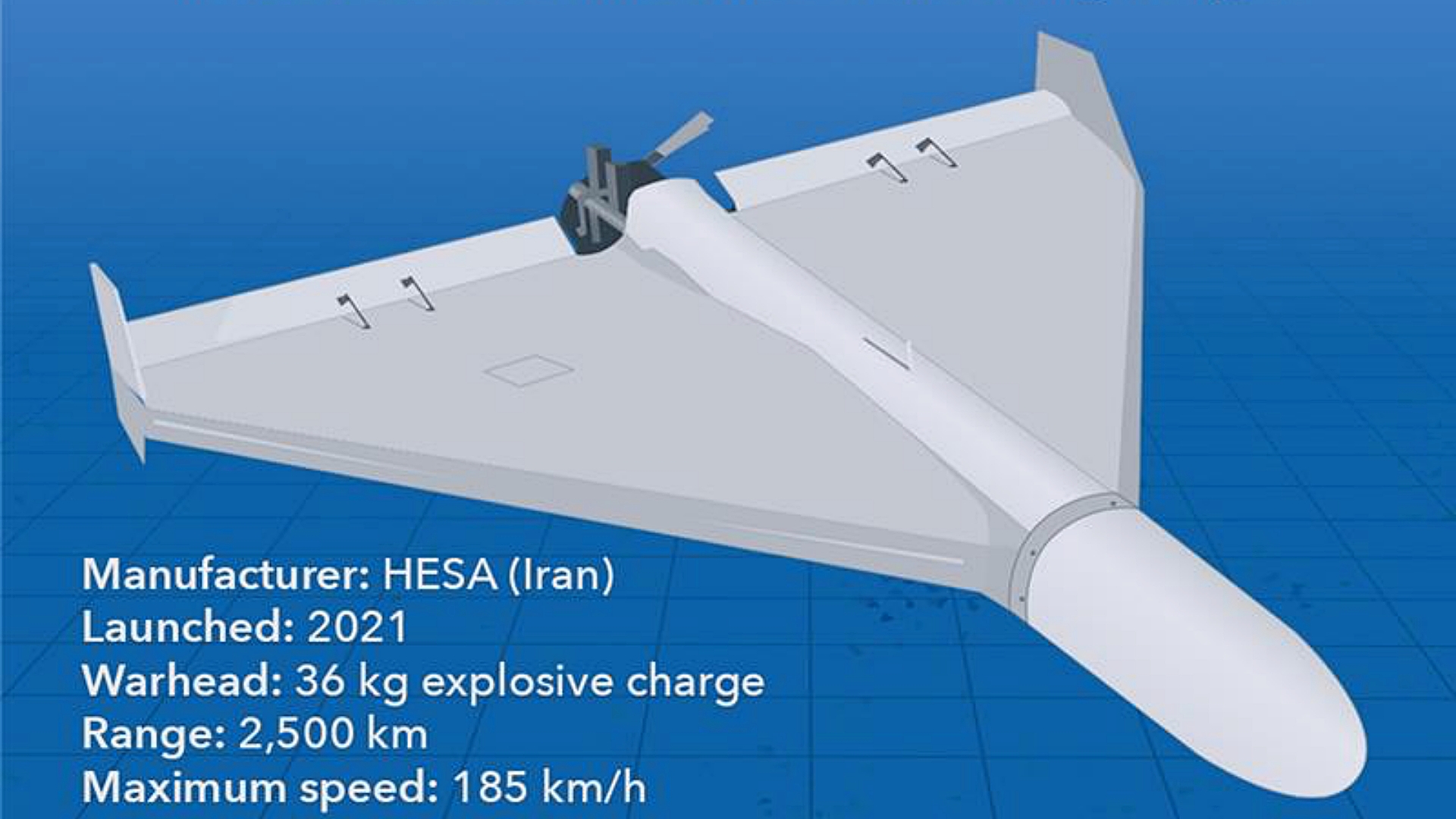
The Iranian Shahed-136 represents a major evolution in loitering munition design. Built by HESA and Shahed Aviation Industries, it is a one-way attack drone designed for long-range strikes. It features a distinctive delta-wing shape with a rear-mounted engine driving a pusher propeller.
The drone is approximately 3.5 m long with a 2.5 m wingspan and weighs around 200 kg. It carries a warhead estimated at 30–50 kg and is powered by an engine derived from a German design. With speeds exceeding 185 km/h, its range is widely estimated between 1,000 and 2,500 km.
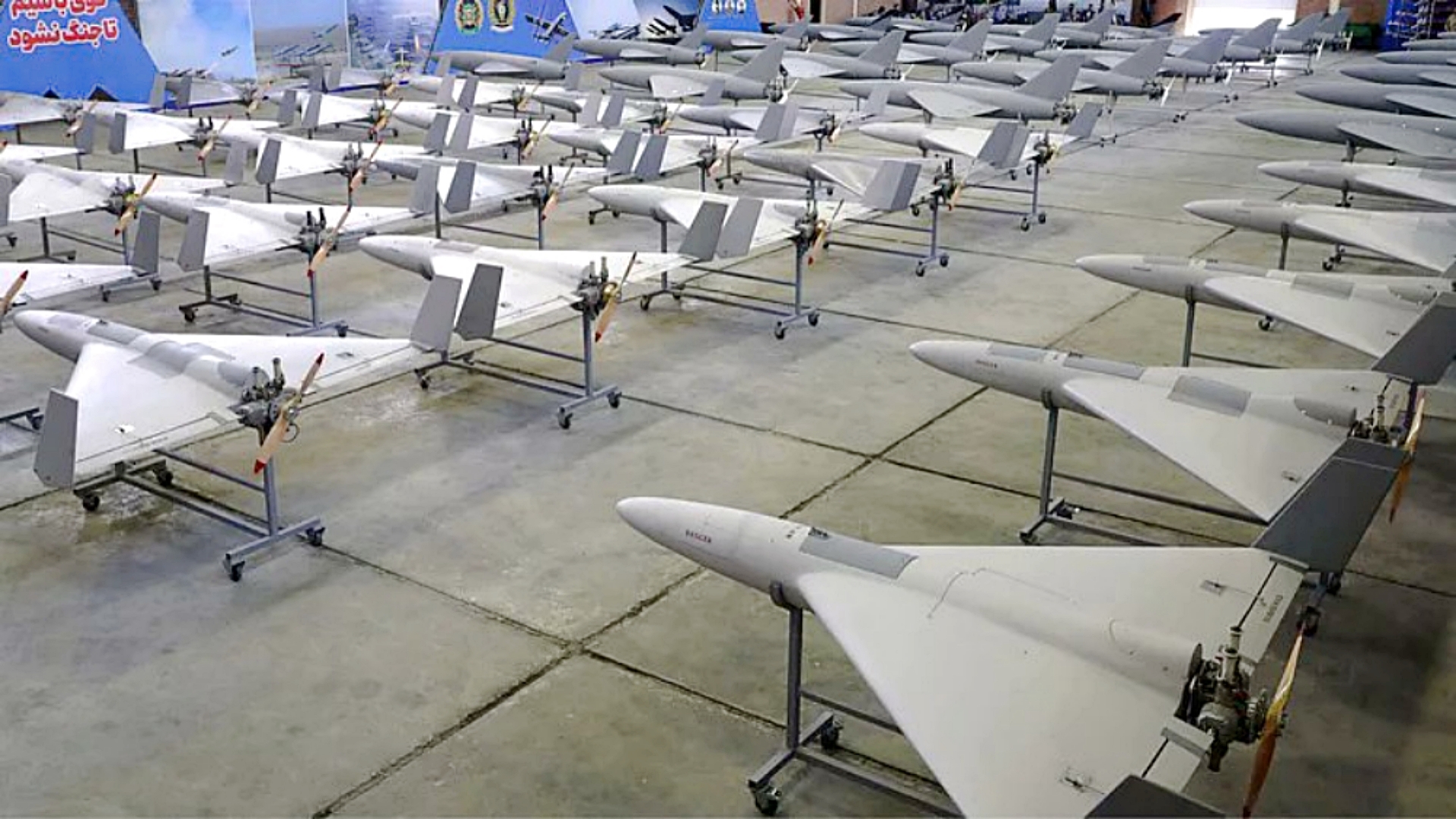
Typically launched in groups from racks, the Shahed-136 is designed to overwhelm defences through numbers as much as precision.
GERAN-2
Russia adopted and localized the Shahed-136 under the name Geran-2. Initially imported in kit form, it has since evolved into a domestically produced system with numerous upgrades.
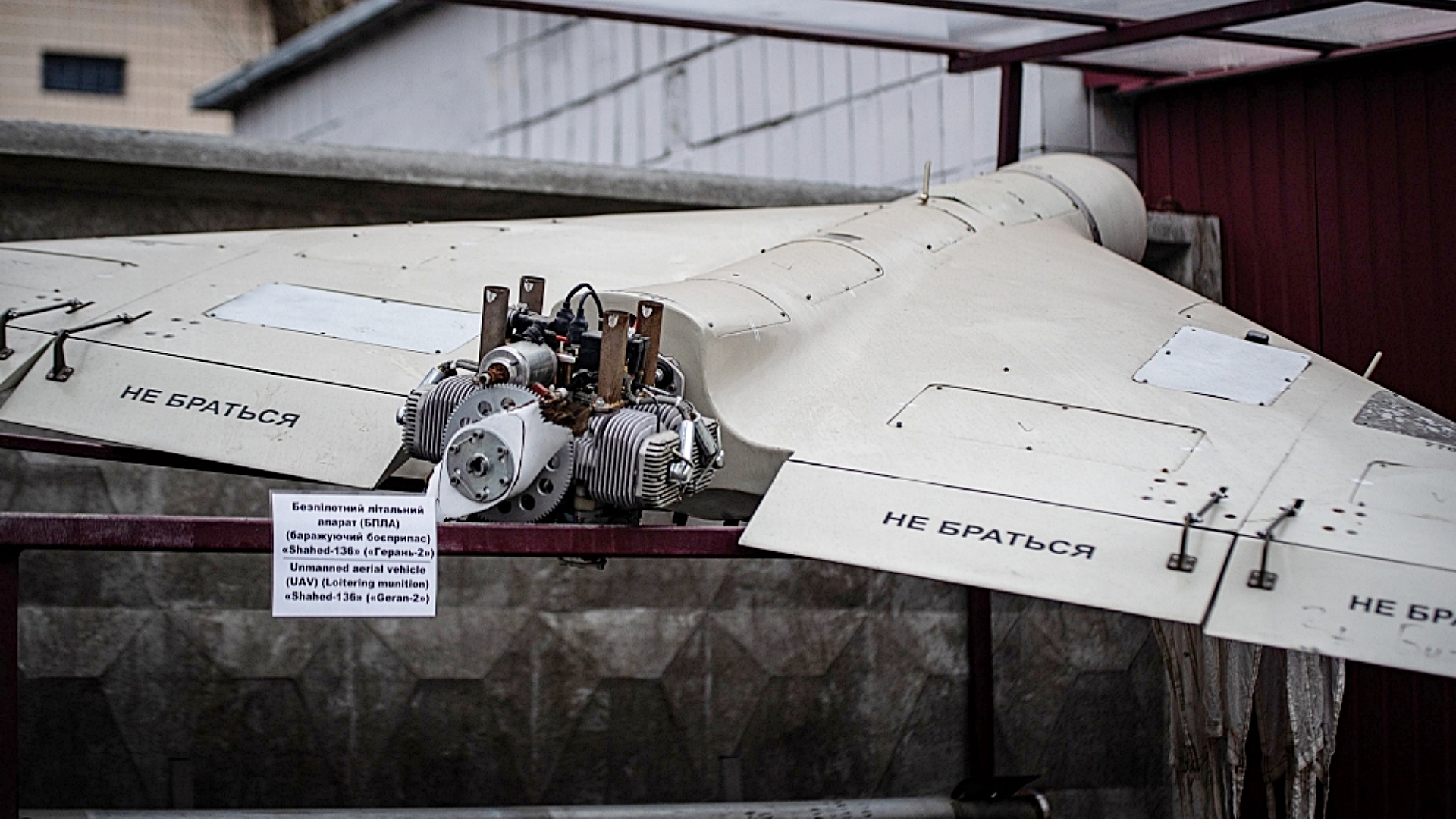
Investigations have revealed a complex supply chain, with components sourced globally. Later versions reportedly include improved resistance to electronic warfare, advanced navigation protection, and experimental communication systems such as satellite links. By 2026, reconnaissance variants were found incorporating consumer-grade computing hardware for onboard processing, indicating rapid adaptation and innovation.
LUCAS
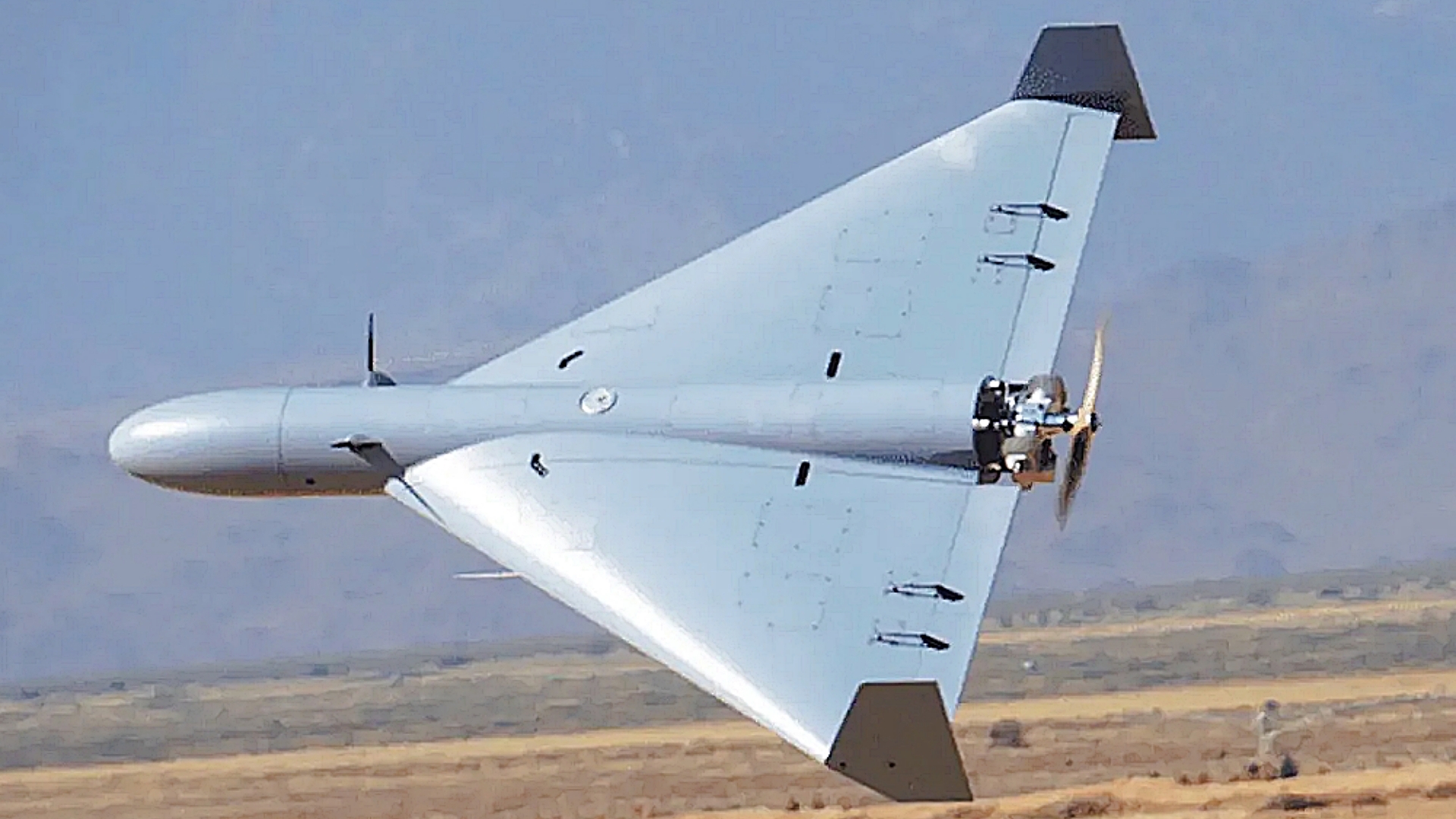
The United States entered the field with LUCAS (Low-Cost Unmanned Combat Attack System), unveiled in 2025. Developed by SpektreWorks in cooperation with the U.S. military, it was reportedly reverse-engineered from captured Iranian designs.
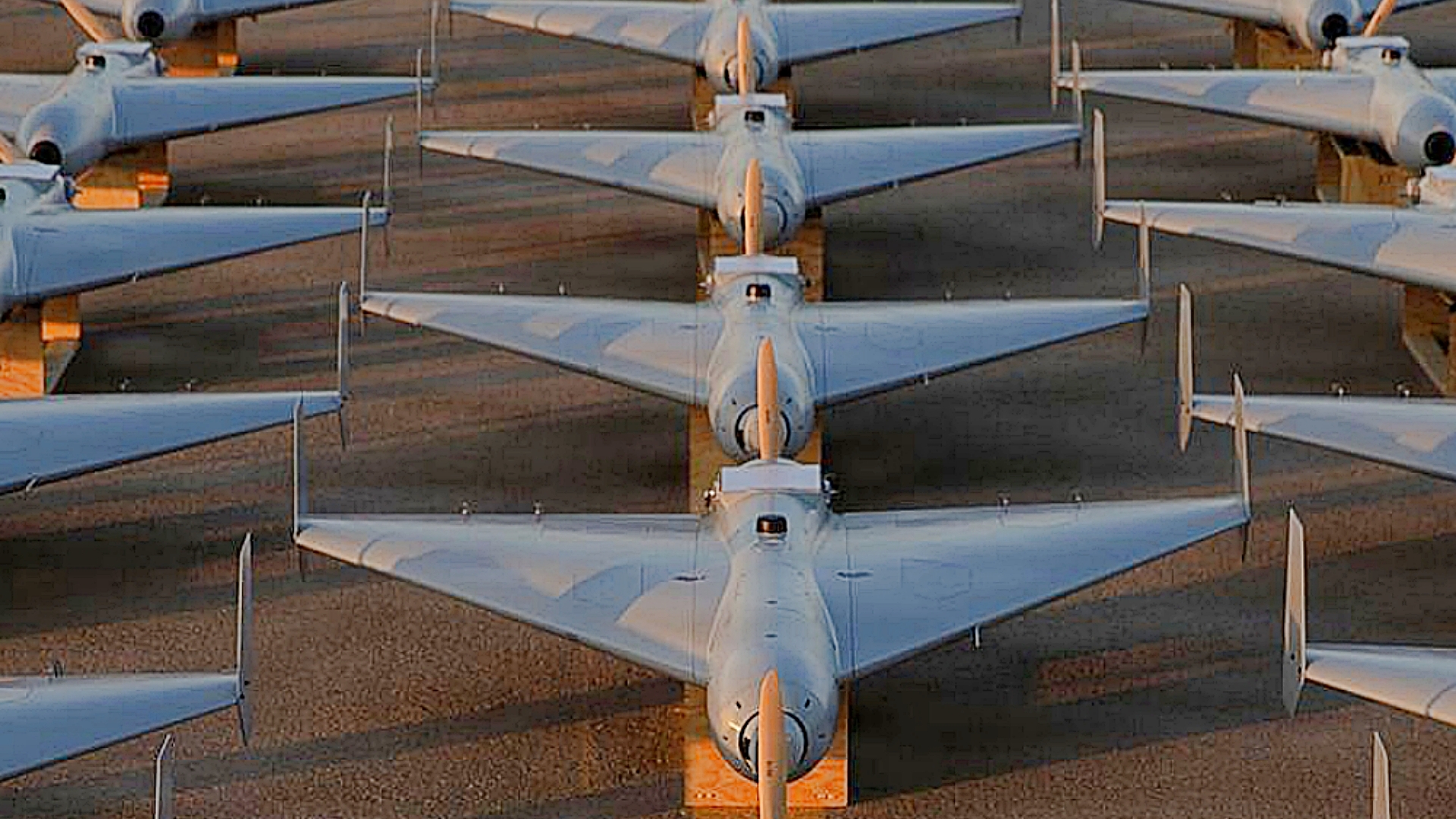
LUCAS has a range of 822 km, endurance of six hours, and carries an 18 kg payload. With a relatively low cost of around $35,000, it reflects a shift toward affordable, mass-deployable systems.
Deployed operationally by U.S. Central Command, LUCAS marks a notable reversal: the U.S. adopting and adapting tactics pioneered by its adversaries, highlighting how loitering munitions have come full circle since the DAR program.