
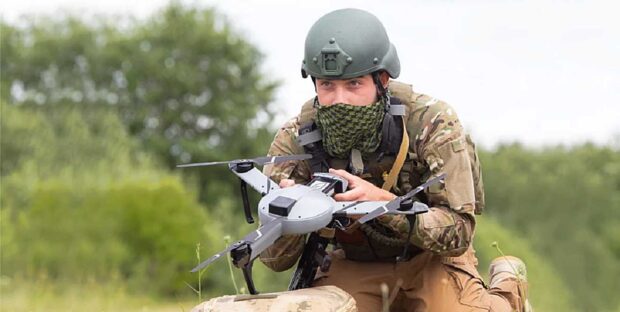
A dispute over Western-supplied unmanned aerial systems resurfaced in Ukraine on March 5 after Ukrainian military expert Taras Chmut publicly criticized Latvian-made AtlasPro reconnaissance drones previously delivered to Ukrainian forces.
Chmut accused the manufacturer Atlas Aerospace and Ukrainian officials involved in procurement of supplying systems that he said failed to meet battlefield requirements.
The criticism appeared in comments responding to news that soldiers of the National Army of Moldova had received Latvian Atlas reconnaissance unmanned aerial vehicles. Chmut, head of the Come Back Alive, used the occasion to describe Ukraine’s earlier experience with the same drones.
In a public statement, Chmut sharply criticized both the manufacturer and Ukrainian officers involved in the acquisition process.
“An absolutely shameful story and experience of working with the Latvian manufacturer Atlas. In fact, fraud initiated by one of the officers of the Special Operations Forces of Ukraine, Dmytro ‘Driker’, including pushing these useless drones into service,” Chmut wrote.
Following the remarks, Defence Blog spoke with Ukrainian military personnel who had operational experience with the Atlas drones. According to those interviewed, Ukraine received a batch of the systems in 2022 during the early months of the full-scale war.
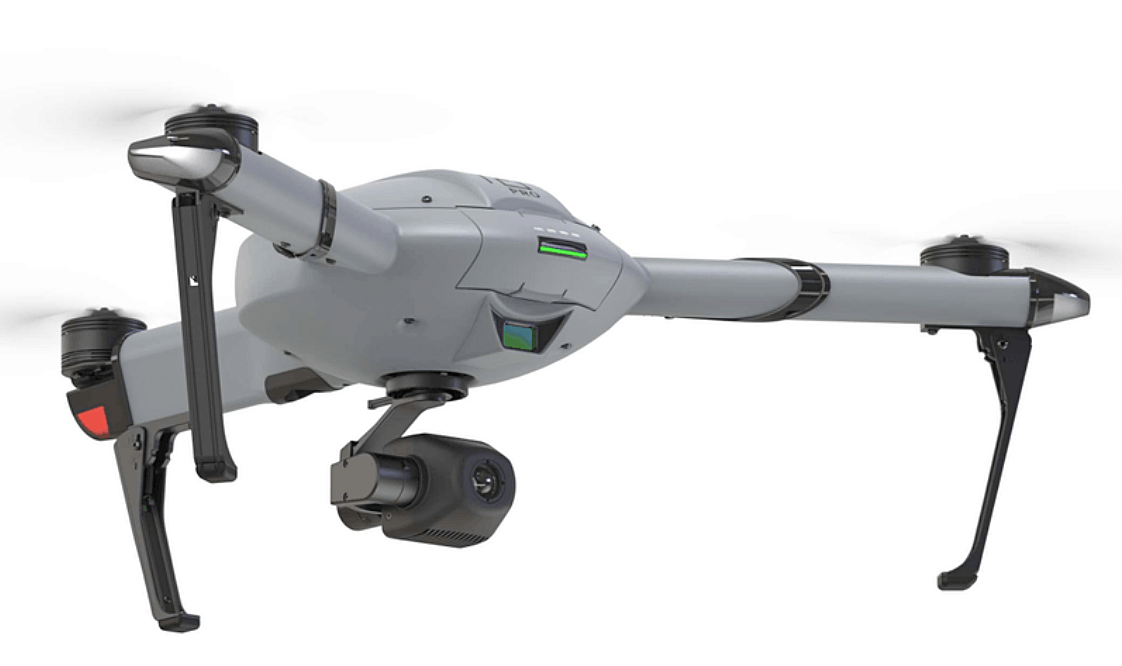
Soldiers said trial operations showed the drones did not meet the requirements of modern combat conditions. The systems are reportedly unused and have been placed in storage due to limitations identified during testing.
One serviceman involved in the evaluation said the drones were too immature for frontline use.
“The drones are too raw and their software constantly produces errors, making them impossible to use on the battlefield because they simply do not work,” he said.
The AtlasPro system is produced by Atlas Aerospace and marketed as a reconnaissance platform designed to operate in environments with heavy electronic warfare and GPS interference. The company has said the drone was tested under combat conditions in Ukraine and demonstrated resistance to jamming.
The controversy reflects broader debates within Ukraine’s defence community about procurement oversight and the effectiveness of some foreign-supplied drone systems.
Source: Defence Blog